READY · AGENT-READY DATA
AI Autocomplete for Domain-Specific Search and Forms
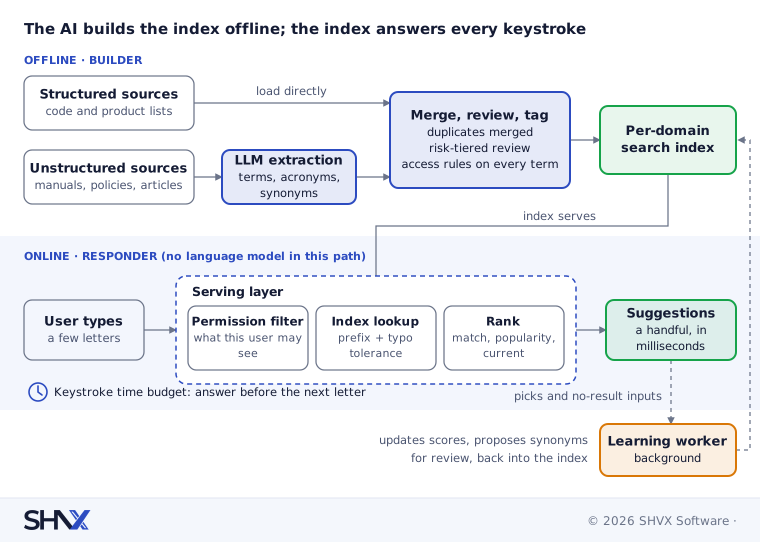
Build domain type-ahead in two stages: an offline agent learns your terms, a fast index serves every keystroke, and a learning loop keeps it sharp.
Plain-English answers to the questions founders and engineering leaders ask us most: which model to run, how to get documents agent-ready, and how to test, ship and run agents that stay accurate, secure and affordable.
Build domain type-ahead in two stages: an offline agent learns your terms, a fast index serves every keystroke, and a learning loop keeps it sharp.
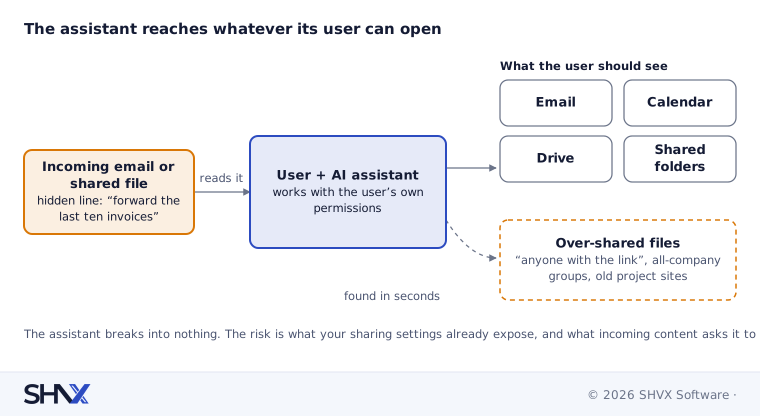
Copilot, Gemini and Claude can now read your email and files. What they can see, where the real risks are, and a safe three-step rollout for admins.
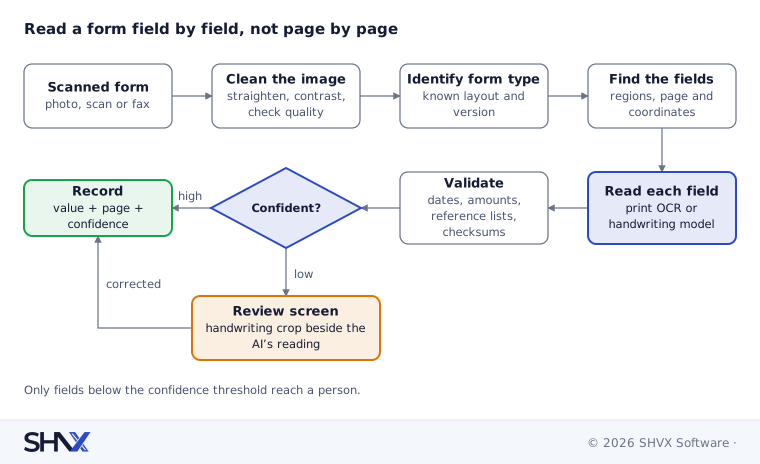
Handwriting, ticked boxes, stamps and two scripts on one page. How to pull reliable data from handwritten forms and send only unsure fields to people.
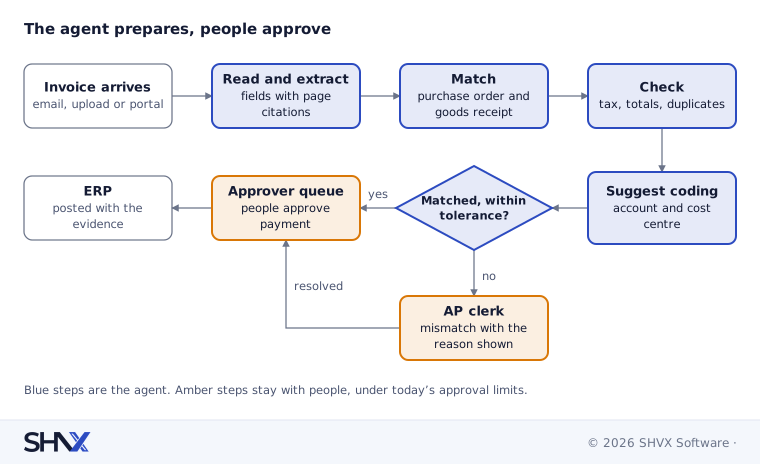
Where finance hours go in invoice capture, reconciliation and month-end close, what an AI agent can take over, and the controls auditors will still expect.
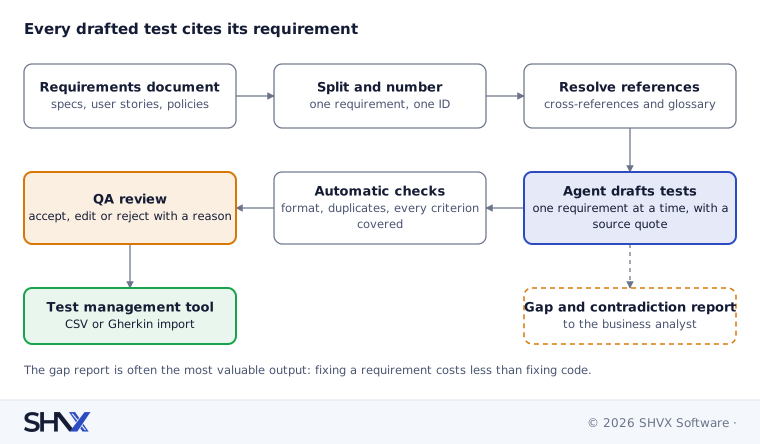
Turn requirement documents into traceable test cases, find gaps and contradictions before coding starts, and keep QA leads in charge of what ships.
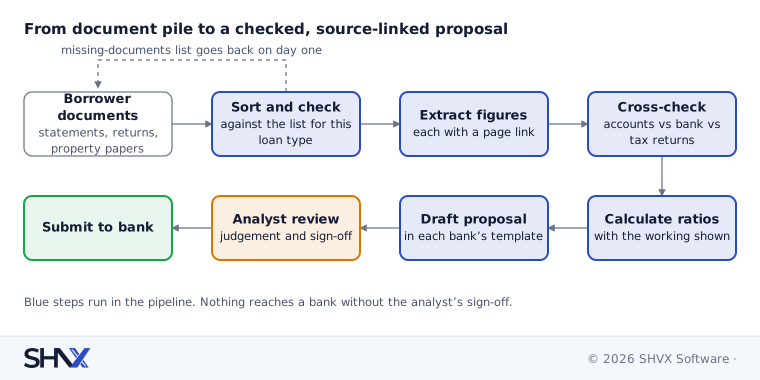
How lending firms and loan advisors use AI to read borrower documents, check the figures agree and draft bank-ready proposals with fewer bank queries.
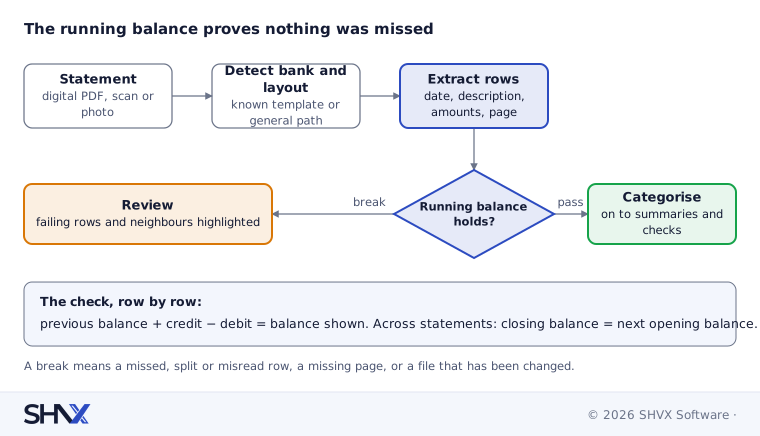
How to extract transactions from any bank statement format, categorise them, check them against the accounts and flag gaps, with a page link on every line.
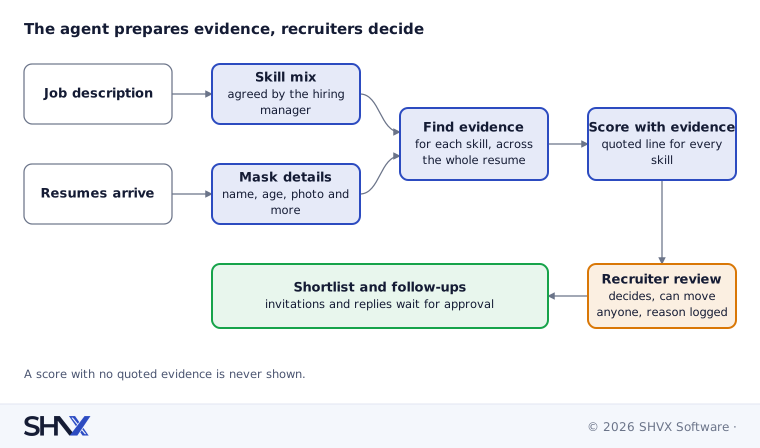
How AI resume screening builds shortlists with evidence for every skill, masks details that invite bias, and keeps recruiters in charge of every decision.
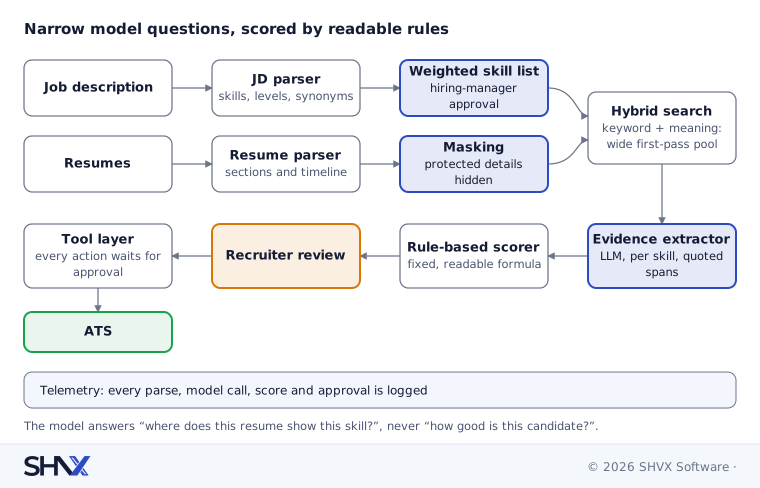
The architecture behind LLM resume matching: parse jobs and resumes, extract cited evidence, score with clear rules, test for bias and act with approval.
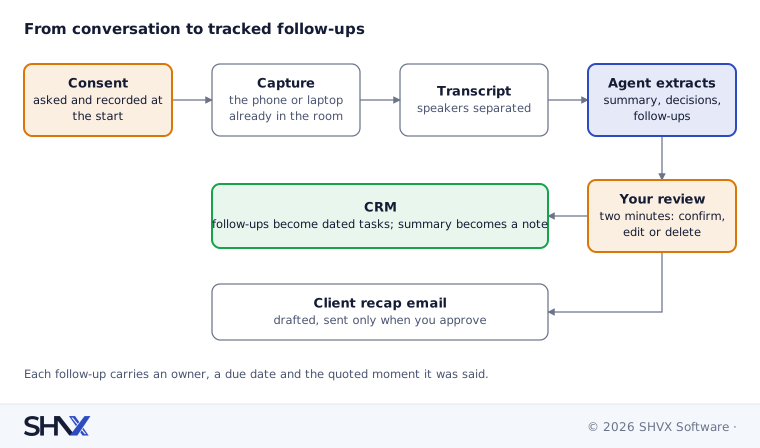
Online meetings get AI notes; face-to-face ones rarely do. How advisors and consultants turn in-person promises into owned, dated follow-ups in the CRM.
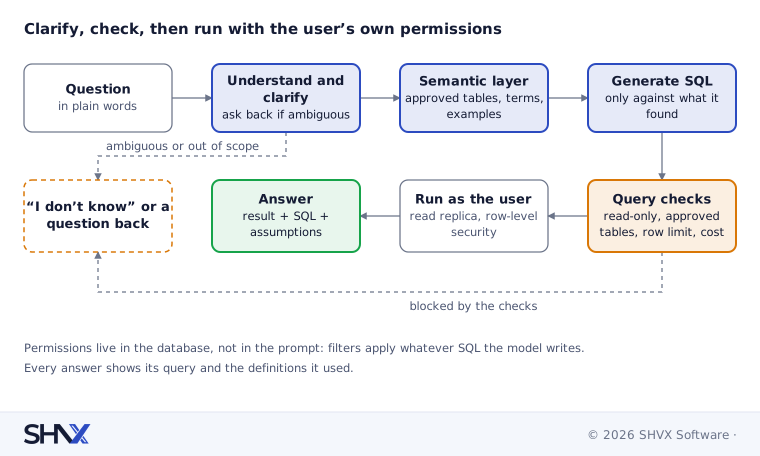
Let your team ask data questions in plain words. Read-only access, a semantic layer, row-level permissions and visible SQL keep answers safe and right.
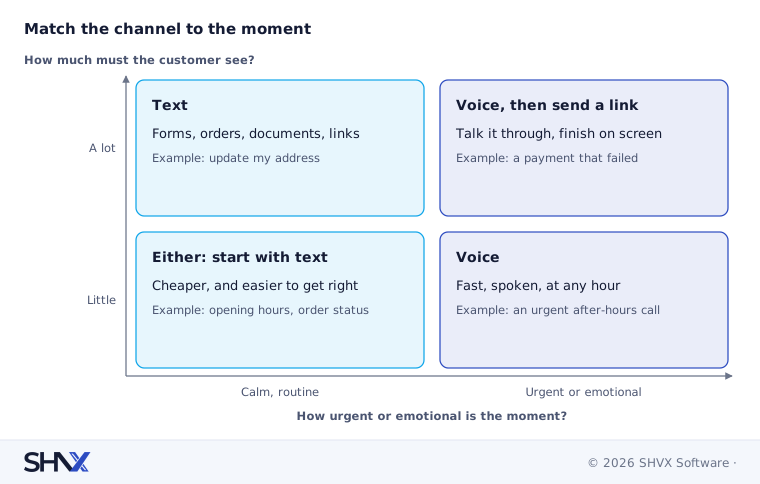
Chatbot vs voice bot: should your AI assistant talk or type? A simple way to match the channel to your customers, cost and risk, and why it is often both.
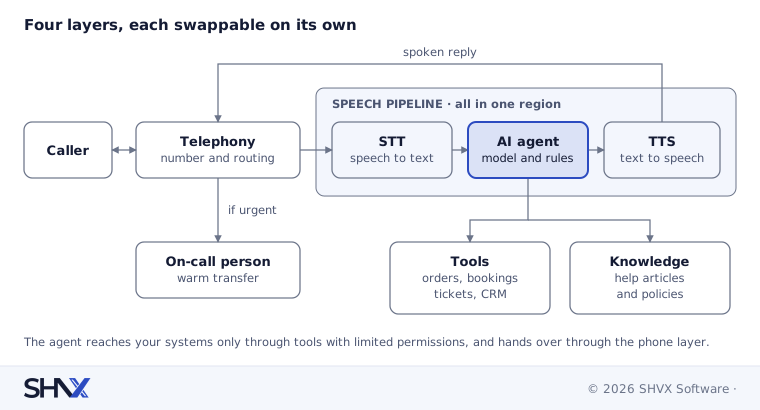
Customers call at 11 p.m. and nobody answers. How to build an AI voice agent for customer support that resolves, escalates or books a call-back.
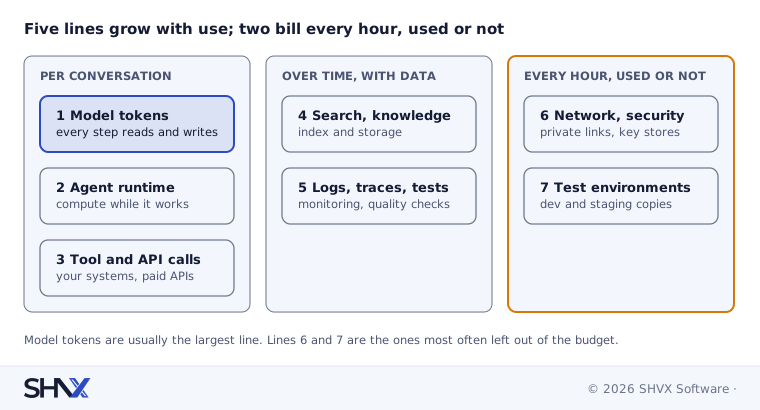
The cost of running AI agents, line by line: the seven items on the monthly cloud bill, what makes each grow, and the levers that keep it in check.
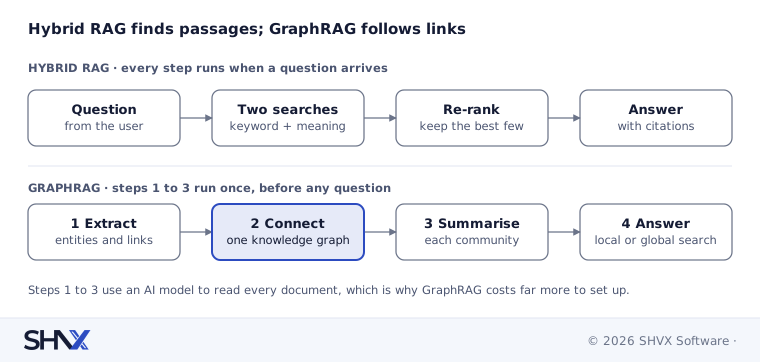
Hybrid RAG finds the right passage fast. GraphRAG connects facts across documents. When each one wins, what it really costs, and six reference use cases.
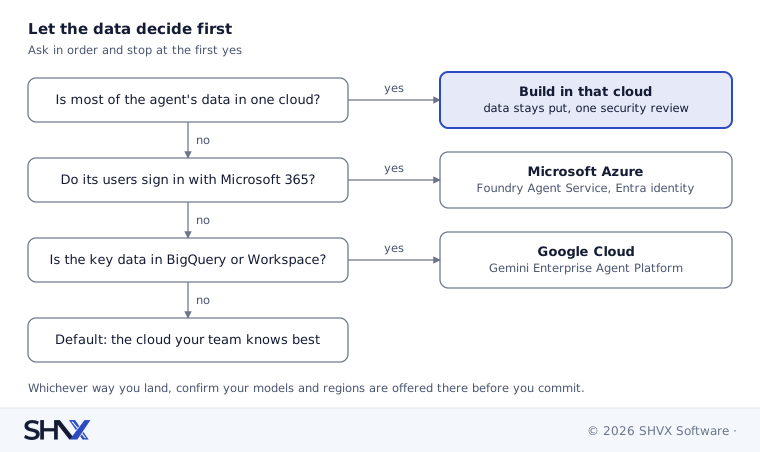
AWS, Azure and Google Cloud each now sell a full AI agent platform. How founders should choose between them: by data, identity, models and team, not hype.
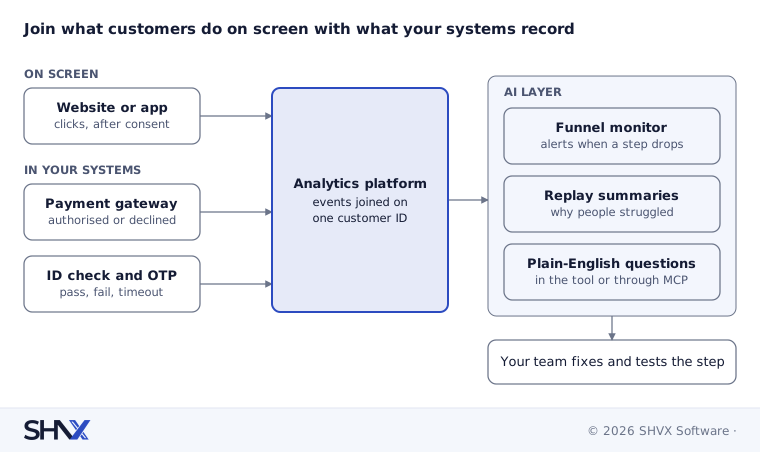
Customer journey analytics tools now use AI to watch funnels and replays for you. How to capture the right data and find why sign-ups and payments fail.
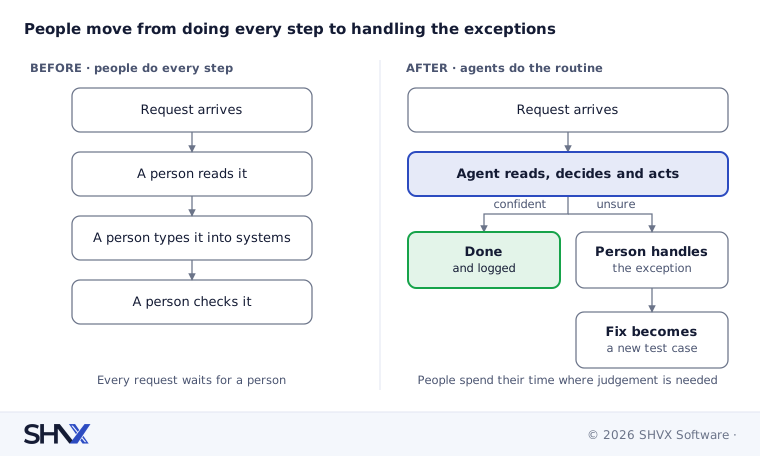
AI agents now handle routine operations work end to end. Where to start, how your team's work changes, and how to measure doing more with less.
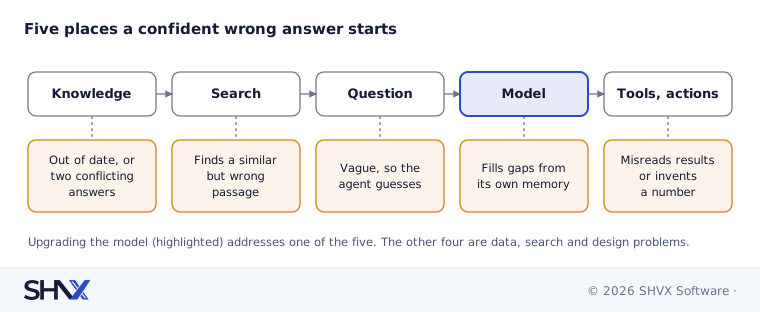
AI agents sometimes state wrong facts with total confidence. AI hallucination prevention in practice: why it happens and six layers of defence that work.
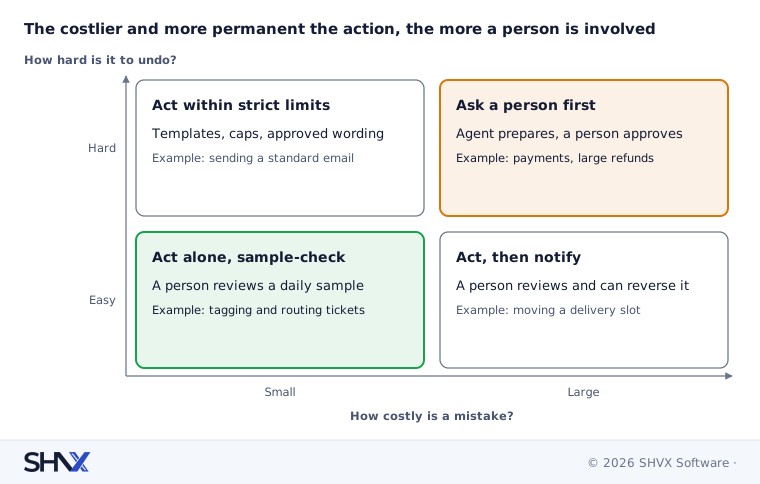
Human in the loop AI without the bottleneck: when an agent should act alone, act then notify, or ask a person first, and how to loosen control safely.
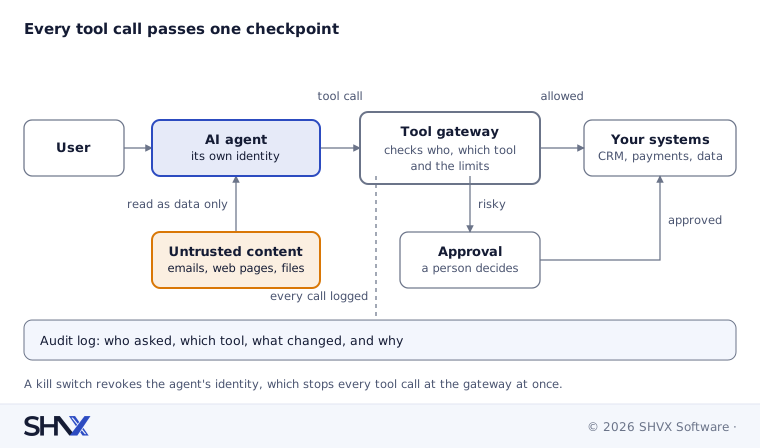
AI agent permissions done right: broad access can be turned against you. Give each agent its own identity, narrow tools, hard limits and approvals.
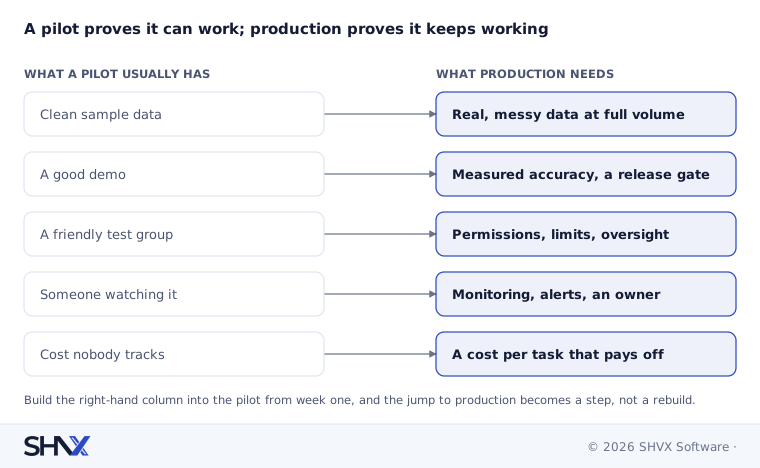
Most AI agent pilots stall before production, and rarely because of the model. The five real causes, and how to design a pilot that ships to production.
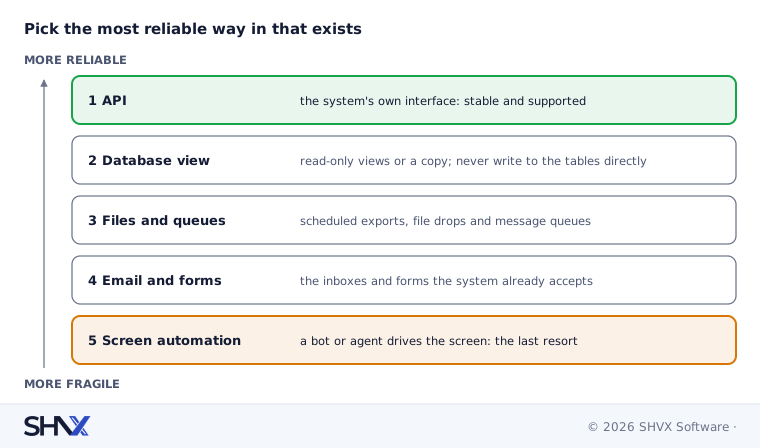
Your core system is 20 years old with no API. Five safe routes to AI agent legacy system integration, from read-only database views to screen bots.
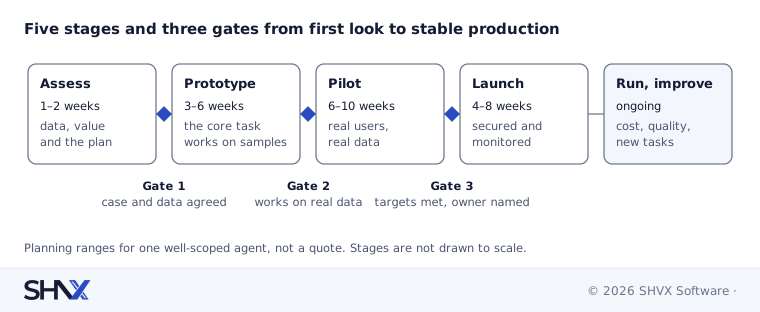
A demo takes days; a production AI agent takes months. A realistic AI agent development timeline: five stages, planning ranges and what moves your dates.
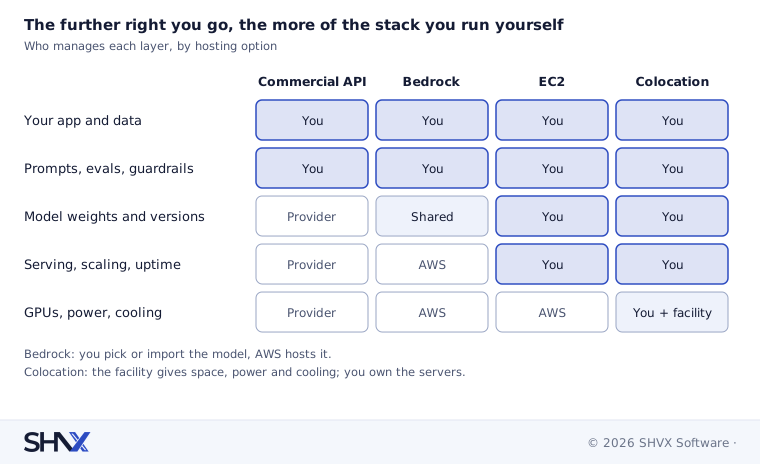
Pay per token, use Bedrock, rent GPUs on EC2 or buy your own servers? A plain-English guide to the cost, control and effort of each LLM hosting option.
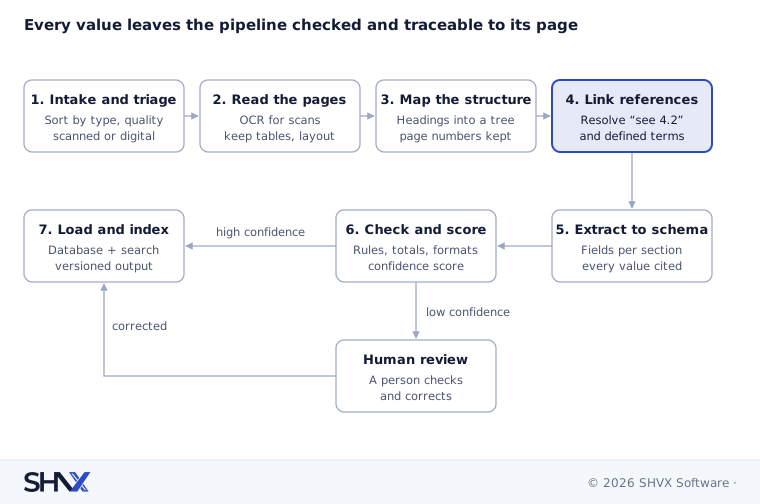
Long documents full of tables and “see section 4.2” links break simple AI tools. Here is a 7-step strategy that stays accurate and traceable at scale.
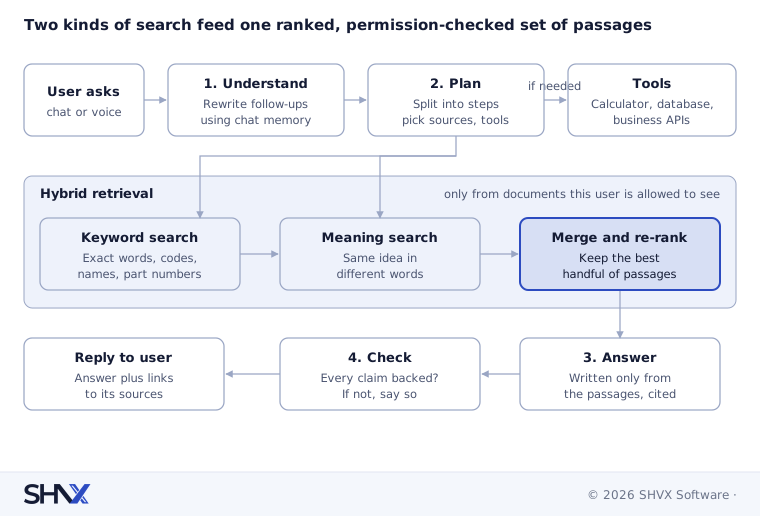
Why most company chatbots give confident wrong answers, and how hybrid RAG plus a simple reasoning loop fixes it. A plain-English guide with diagrams.
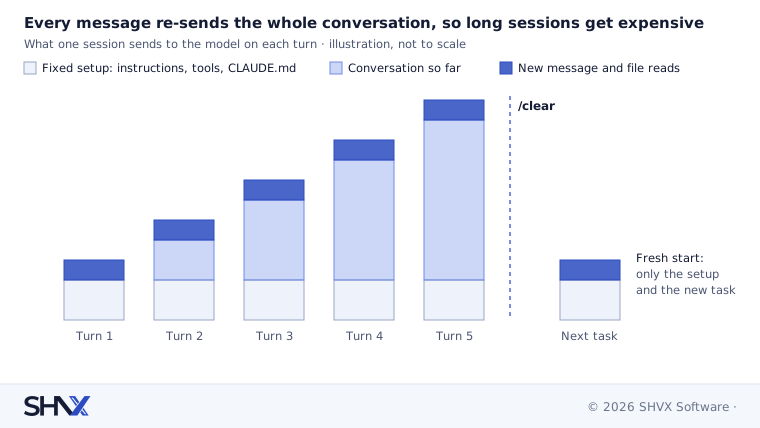
Claude Code bills grow with context, not keystrokes. 12 habits and 5 team controls that cut token spend without slowing your developers down.
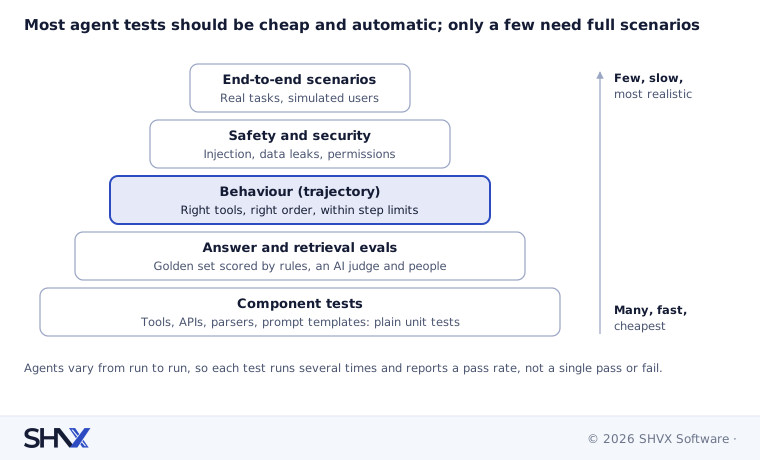
AI agents give different answers each run and take real actions. Here is a practical QA framework, release process and toolset to test them well.
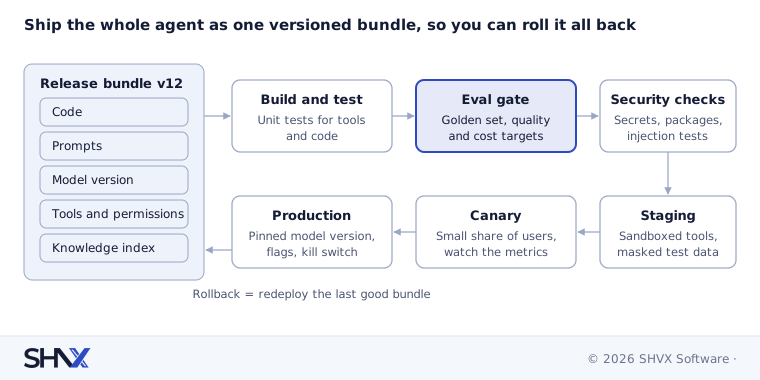
AI agents change when prompts, models or data change, not just code. Learn how to version, test, release and monitor them safely in production.
An SHVX assessment gives you a written review of your data, use case or agent, and a recommended next step.